Cardiac Imaging Program Development for Hospitals and Cardiology Groups
Physician-led support to launch, expand and standardize cardiac MRI, cardiac CT, echocardiography and nuclear cardiology services, from the first assessment through protocols, staffing, reporting, quality and accreditation readiness.
- New service launch
- Program expansion
- Quality & accreditation readiness
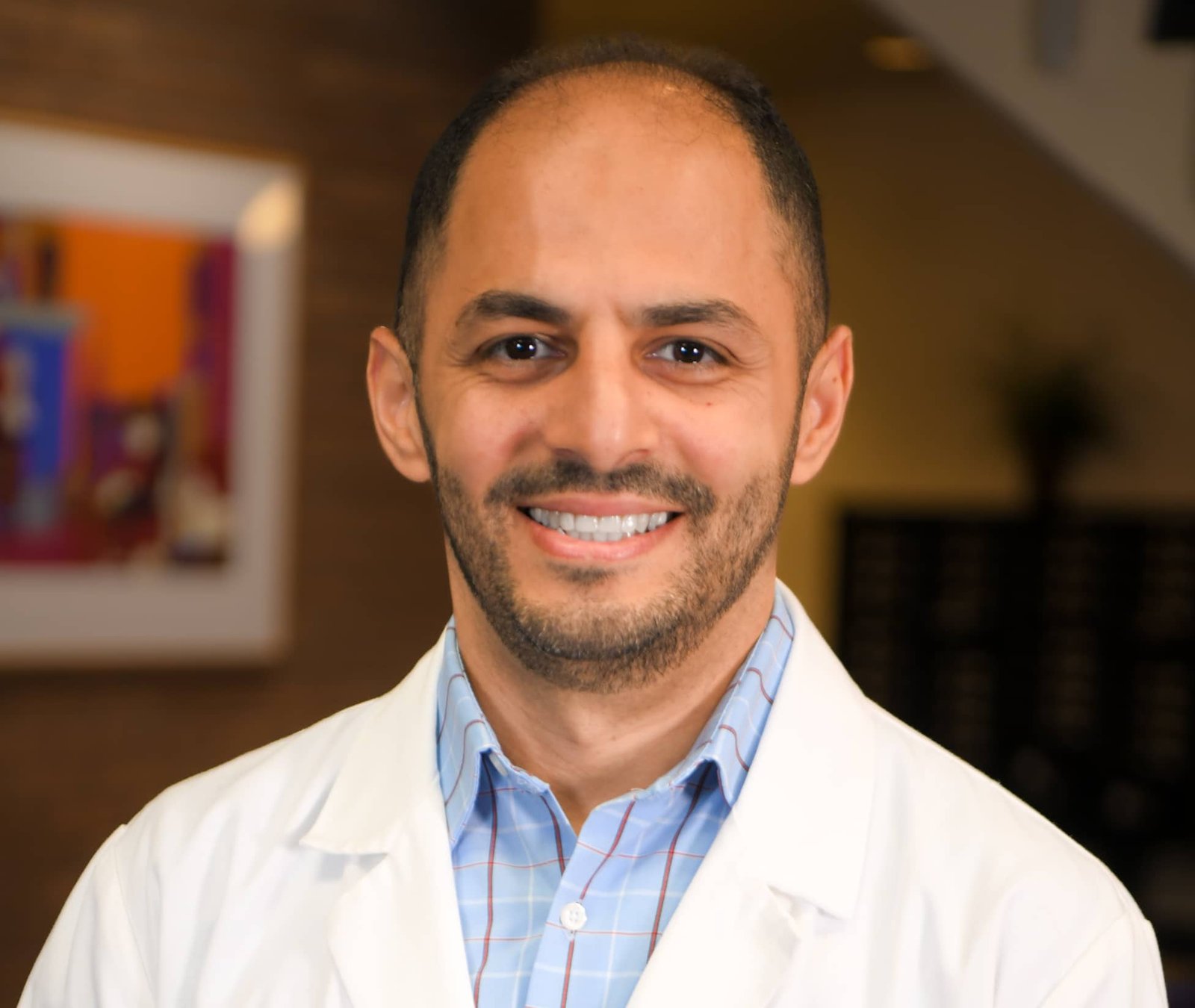
Founder, Imaging First LLC
What is cardiac imaging program development?
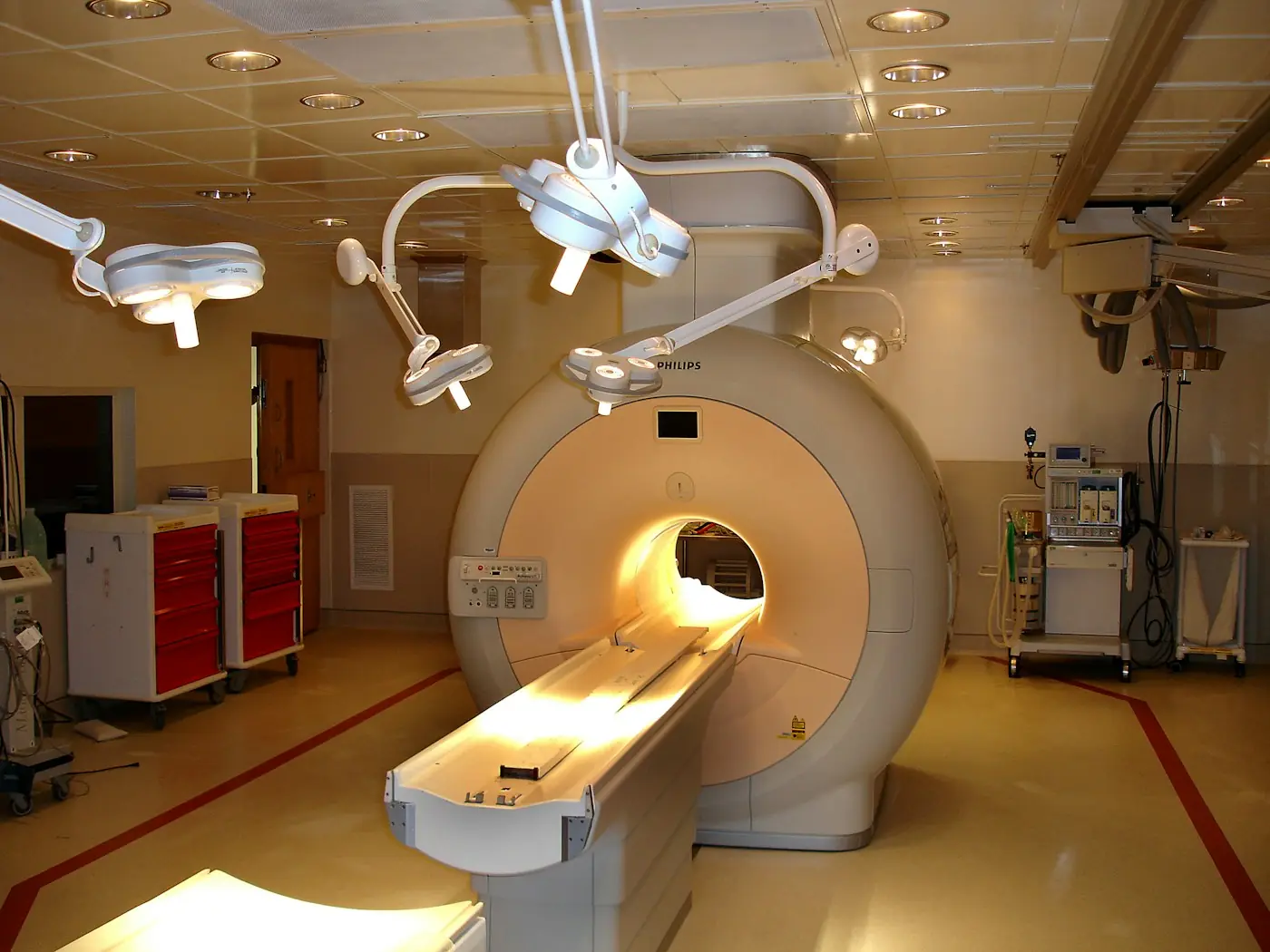
Cardiac imaging program development is the work of turning scanner capacity into a reliable clinical service: the protocols, reading model, staffing, scheduling, reporting, quality program and referral pathways that let a hospital offer cardiac MRI or CT safely and grow it.
Equipment alone does not make a program. Programs stall when protocols are borrowed, readers are unclear, referrers do not know when to order the test, or quality is not measured. Imaging First brings a physician's view of each of those pieces and works with your administration, cardiology and radiology teams to put them in place.
Hospitals launching a service
Starting cardiac MRI or cardiac CT, or adding coronary CTA to an existing CT service.
Groups expanding imaging
Cardiology practices adding advanced imaging to offer more complete cardiac care.
Systems standardizing sites
Health systems aligning protocols, reporting and quality across several locations.
What does a cardiac imaging program build include?
A program build moves through six connected areas. Each one has a clear output for the hospital, and they are sequenced after an initial assessment of your equipment, staffing and referral base.
- 01
Assessment
Equipment, staffing, volumes, referral patterns and gaps reviewed.
- 02
Protocols
Acquisition protocols built to society guidance for each indication.
- 03
Reading model
Who reads, how studies are credentialed and covered, Level II/III roles.
- 04
Workflow
Scheduling, slot design, patient preparation and throughput.
- 05
Reporting & quality
Structured reports, peer review and accreditation readiness.
- 06
Growth
Referral education, appropriate use and volume tracking.
Illustrative sequence; each engagement is scoped after the assessment.
Experience building cardiac imaging programs
Dr. Elashery has built and led cardiac imaging programs as well as interpreting for them, and has trained cardiologists as a fellowship Program Director.
- Built a cardiac MRI program from 25 to 550+ annual studies.
- Led a cardiac CT program exceeding 6,000 studies annually.
- Former Program Director, Cardiovascular Disease Fellowship.
- Level III expertise in both cardiac MRI and cardiac CT.
Program figures as reported by Dr. Elashery.
How does program development support accreditation?
Accreditation readiness is built into the program rather than added at the end: protocols, case documentation, physician and technologist qualifications, and an ongoing quality and peer-review process aligned with the accrediting body's published standards.
Imaging First prepares programs for IAC or ACR accreditation review. Accreditation decisions are made only by the accrediting bodies, and no outcome is guaranteed.
| Quality area | Why it matters |
|---|---|
| Protocol standardization | Consistent studies that answer the clinical question across technologists and sites. |
| Structured reporting | Clear, comparable reports for referrers, such as CAD-RADS for coronary CTA. |
| Peer review | Measures reading accuracy and supports physician development. |
| Turnaround tracking | Keeps referrers confident and the schedule moving. |
| Appropriate use | Right test, right patient, defensible to payers. |
Program development: frequently asked questions
What does cardiac imaging program development include?
An initial assessment, then protocols, the reading and staffing model, scheduling and workflow, structured reporting and quality review, accreditation readiness, and referral growth. The scope is set after the assessment.
How long does it take to launch a cardiac MRI program?
It depends on equipment readiness, staffing, credentialing and referral demand, so a timeline is set after the initial assessment rather than promised in advance. The published literature on establishing cardiac MRI programs describes the same dependencies.
Do you help with IAC or ACR accreditation?
Yes. Imaging First prepares programs for accreditation review by aligning protocols, documentation and quality processes with the accrediting body's published standards. Accreditation decisions are made only by IAC or ACR.
Can you work with an existing program rather than a new one?
Yes. Many engagements focus on an established service that needs more volume, better quality metrics, standardized protocols across sites, or accreditation renewal.
Which modalities are covered?
Cardiac MRI, cardiac CT and coronary CTA, echocardiography and nuclear cardiology.
Standards referenced
- Establishing a cardiac MRI program: problems, pitfalls and solutions (J Am Coll Radiol)
- Society for Cardiovascular Magnetic Resonance: guidelines and position statements
- Society of Cardiovascular Computed Tomography: guidelines and expert consensus
- ACC appropriate use criteria for cardiovascular imaging
- Intersocietal Accreditation Commission (IAC): accreditation programs
- American College of Radiology: accreditation
Planning a new or growing cardiac imaging service?
Start with a conversation about your equipment, team and goals.
Availability, scope, turnaround times, and coverage are established according to each institution's needs, credentialing requirements, and service agreement.