
Cardiac Imaging Interpretation Services for Hospitals
Physician-led interpretation of cardiac MRI, cardiac CT and coronary CTA, with echocardiography and nuclear cardiology support, for hospitals, health systems and cardiology groups that need subspecialty reads without building a full in-house reading service.
- Cardiac MRI
- Cardiac CT & coronary CTA
- Echocardiography
- Nuclear cardiology

Founder, Imaging First LLC
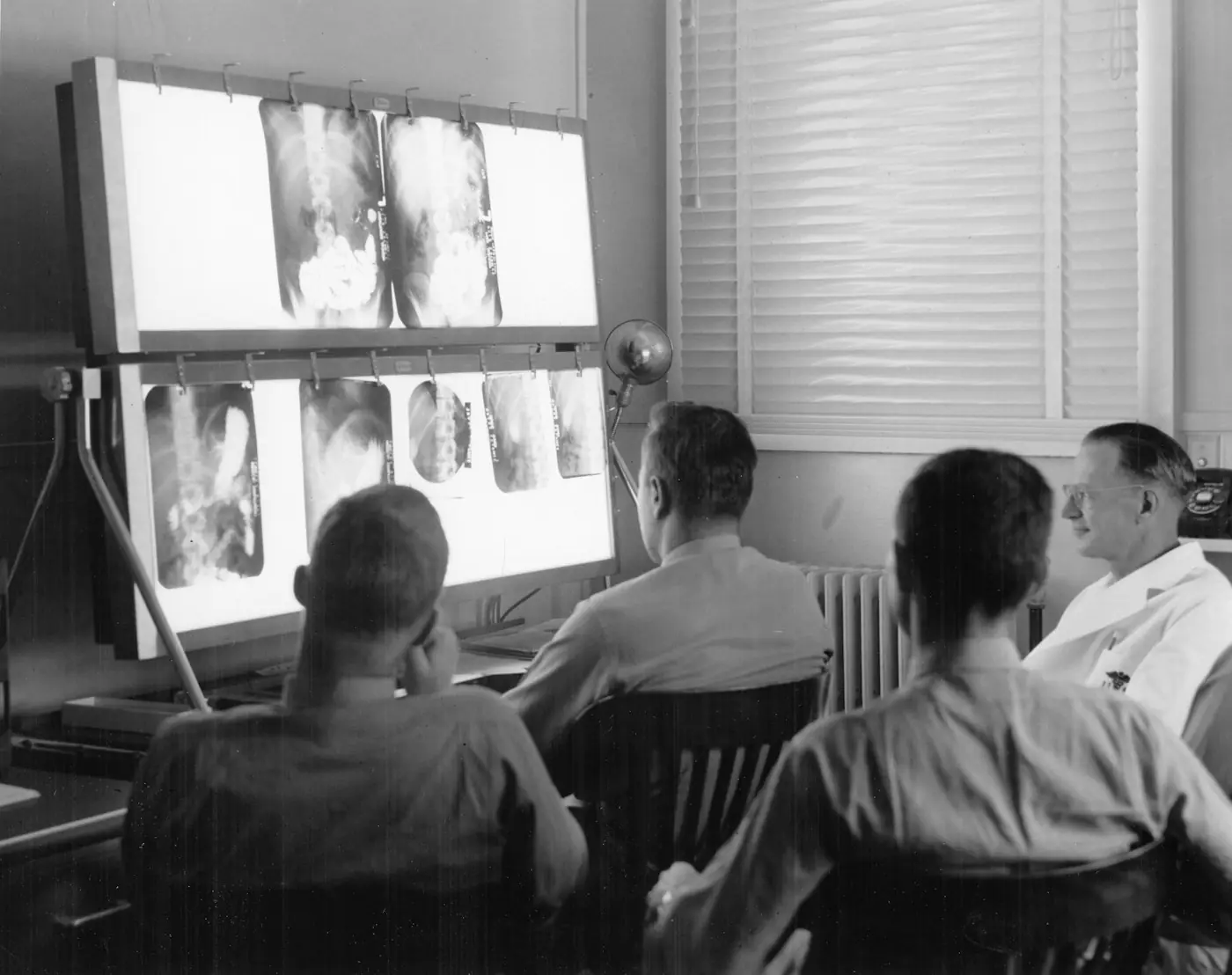
What is outsourced cardiac imaging interpretation?
Outsourced cardiac imaging interpretation means a cardiac imaging physician reads and reports your institution's studies remotely, inside your own PACS and reporting workflow, under your credentialing. Your scanners, technologists and referring clinicians stay where they are; the subspecialty reading capacity is added.
Hospitals usually look for it when cardiac MRI or CT volume is growing faster than in-house reading expertise, when a program is new and cannot yet justify a full-time imager, or when backlog and turnaround are slowing referrals. Imaging First provides that reading capacity with a physician who has trained and practiced specifically in advanced cardiovascular imaging.
Credentials as stated by Dr. Elashery; training and publications from public records. See Meet the Founder.
Which cardiac imaging studies can be interpreted?
Interpretation covers the four advanced cardiac imaging modalities. The exact study mix, volumes and coverage hours are agreed per institution in the service agreement.
Cardiac MRI
Function, viability, late gadolinium enhancement, cardiomyopathy, myocarditis, infiltrative disease and structural assessment, reported to SCMR guidance.
Cardiac CT & CCTA
Coronary CT angiography with CAD-RADS reporting, calcium scoring, and structural and pre-procedural CT.
Echocardiography
Transthoracic and stress echocardiography interpretation, aligned with ASE guidelines.
Nuclear cardiology
SPECT and PET myocardial perfusion imaging interpretation, aligned with ASNC guidelines.
How does remote cardiac imaging reading work with your hospital?
Reading is set up inside your existing systems. After credentialing and secure access, studies are read in your PACS, reported in your format, and quality-reviewed on an agreed schedule.
- 01
Credentialing
Medical staff credentialing and privileges at your institution.
- 02
Secure access
Remote PACS and reporting access through your IT and security process.
- 03
Protocol alignment
Acquisition protocols reviewed so studies answer the clinical question.
- 04
Structured reports
Reports in your template, using society reporting standards such as CAD-RADS.
- 05
Critical results
Communication pathway for urgent findings agreed with your clinical teams.
- 06
Quality review
Peer review and turnaround tracking against the metrics you set.
Steps are illustrative; each engagement is scoped to the institution.
When does outsourcing cardiac imaging interpretation make sense?
It makes sense when demand for cardiac MRI or CT reads exceeds the subspecialty reading capacity you can staff locally, or when a new service needs expert reads before volume supports a full-time hire.
- A new cardiac MRI or CT service needs experienced reads from the first study.
- Volume is growing and studies are waiting to be read.
- A reader has left, or coverage is thin during leave and holidays.
- Referring cardiologists want consistent, structured reports across sites.
- Leadership wants subspecialty quality without the fixed cost of a full-time imager.
| Question leaders ask | How it is handled |
|---|---|
| Who reads our studies? | A named cardiac imaging physician, credentialed at your institution. |
| How fast are reports? | Turnaround is agreed per study type in the service agreement and tracked. |
| What about quality? | Structured reporting, peer review and protocol feedback are built in. |
| How is it priced? | Per engagement, based on study mix, volume and coverage. |
Cardiac imaging interpretation: frequently asked questions
What cardiac imaging studies can Imaging First interpret?
Cardiac MRI, cardiac CT including coronary CT angiography and calcium scoring, echocardiography and nuclear cardiology (SPECT and PET myocardial perfusion). The study mix, volumes and coverage are agreed with each institution.
How does remote cardiac MRI and CT interpretation work?
After credentialing at your institution and secure remote access to your PACS and reporting system, studies are read and reported in your format. Urgent findings follow a communication pathway agreed with your clinical teams.
Who reads the studies?
Studies are read by Ahmad Ramy Elashery, MD, FACC, FSCCT, a cardiologist who completed an advanced cardiovascular imaging fellowship at the University of Kentucky. His training and publications are listed on the Meet the Founder page.
How are turnaround times set?
Turnaround is defined per study type in the service agreement, based on your clinical needs and volumes, and is tracked as part of quality review. No turnaround is promised before it is agreed.
Can Imaging First help with backlog or overflow reading?
Yes. Overflow and backlog reading can be part of an engagement, alongside or instead of routine coverage, subject to credentialing and the agreed scope.
How is reading quality assured?
Through structured reporting to society standards such as CAD-RADS for coronary CTA, protocol feedback to your technologists, and peer review on an agreed schedule.
Standards referenced
- Society for Cardiovascular Magnetic Resonance: guidelines and position statements
- Society of Cardiovascular Computed Tomography: guidelines and expert consensus
- CAD-RADS 2.0 coronary CTA reporting system (SCCT/ACR/NASCI)
- American Society of Echocardiography: guidelines
- American Society of Nuclear Cardiology: guidelines
- ACC appropriate use criteria for cardiovascular imaging
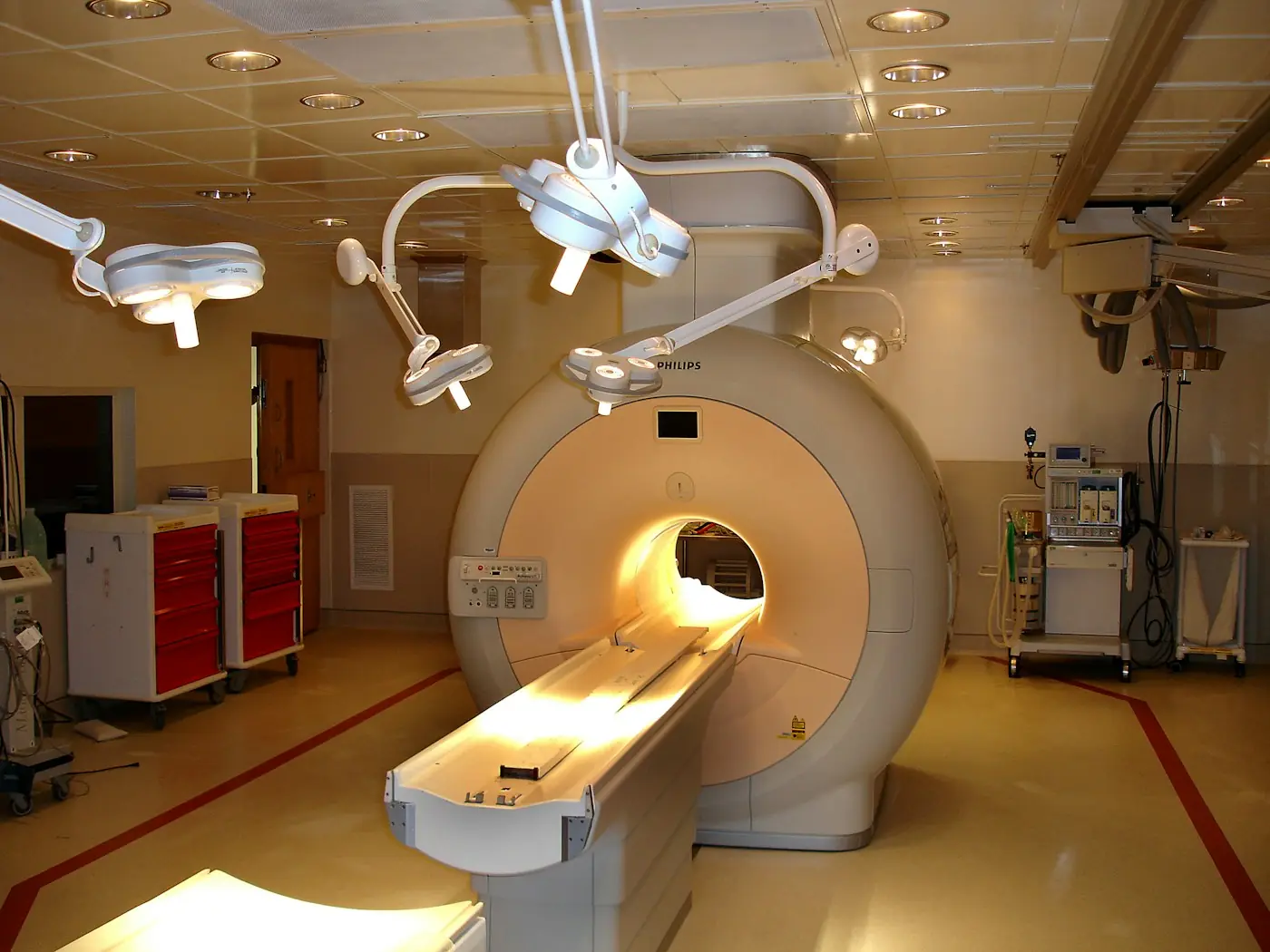
Need subspecialty cardiac imaging reads?
Tell us your study mix, volumes and coverage needs, and we will outline how an engagement could work.
Availability, scope, turnaround times, and coverage are established according to each institution's needs, credentialing requirements, and service agreement.